Embrace Effortless Publishing with SyncFlow
In the realm of digital content creation, productivity and efficiency are paramount. With platforms like Notion and Webflow, creators are empowered to write and design with limitless creativity. However, the challenge has always been in bridging the gap between writing in Notion and publishing on Webflow. Fortunately, SyncFlow offers a seamless solution to this issue by allowing automatic synchronization of Notion pages to Webflow CMS. This article delves into the remarkable capability of SyncFlow and how it can transform your workflow.
Why Integrate Notion with Webflow?
Notion offers a user-friendly interface for content creation, project management, and collaboration. On the other hand, Webflow enables designers to create fully responsive, visually stunning websites without writing a single line of code. Integrating these two platforms with SyncFlow brings the best of both worlds by allowing detailed content creation and design work to flourish simultaneously.
Benefits of SyncFlow Integration:
- Enhanced Efficiency: Autosync means you spend less time on manual updates and more on creative content.
- Seamless Updates: Ensure real-time synchronization without the hassle of manually migrating your content.
- Versatile Content Management: Import and manage a myriad of field types, enhancing the versatility of your Webflow CMS.
- Customization: Provides options for inline styling and class-based styling, offering complete control over design and format.
How SyncFlow Works: A Step-by-Step Guide
Let’s dive into the straightforward process of setting up SyncFlow to get your Notion blog posts effortlessly published on Webflow.
Step 1: Install SyncFlow
Begin by visiting the SyncFlow Website and clicking on 'Get Started'. Approve access requests to your Webflow sites and then log in or create a SyncFlow account.
Step 2: Connect Notion and Webflow
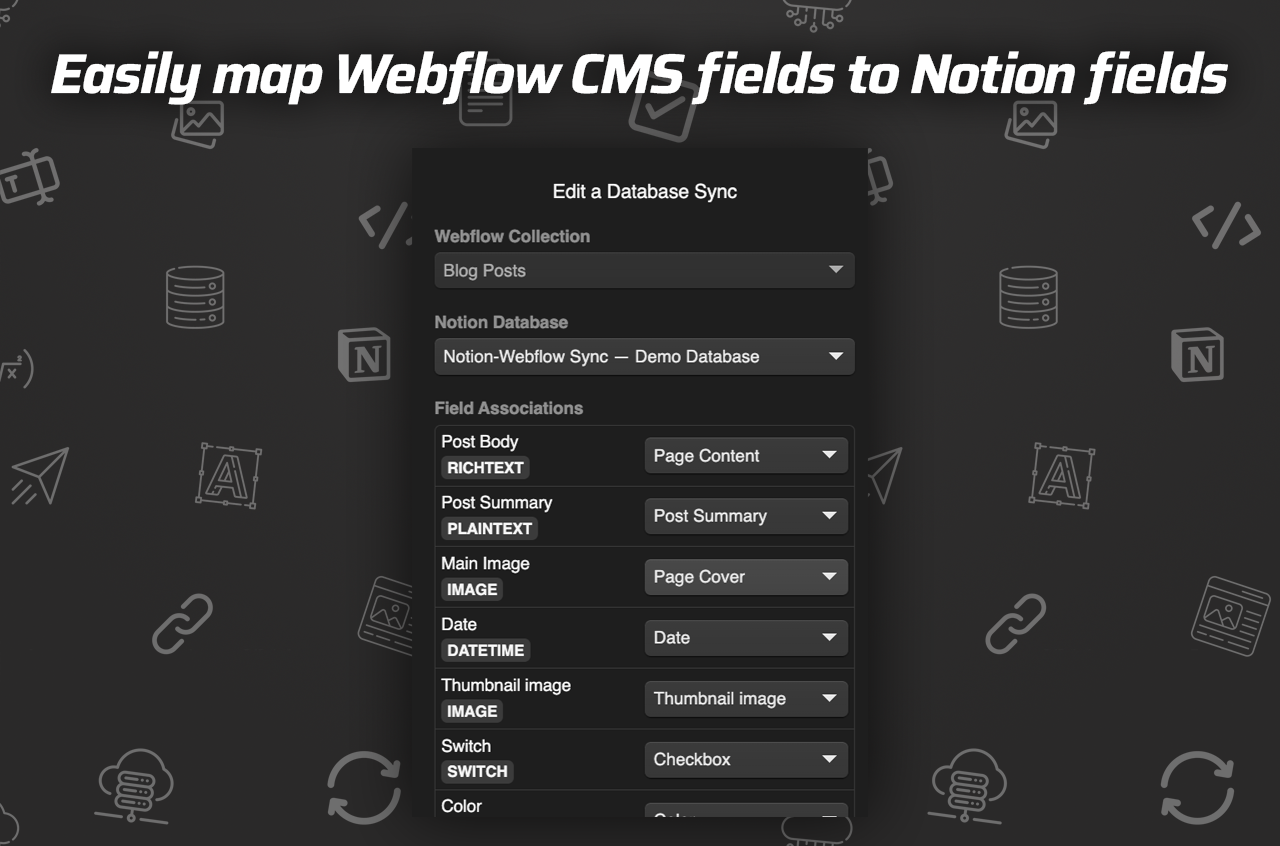
Next, in the SyncFlow app, connect your Notion and Webflow accounts. This involves specifying the particular Notion pages or folders you aim to sync with your Webflow CMS. Select a Webflow collection to start syncing.
Step 3: Map Fields and Configure Settings
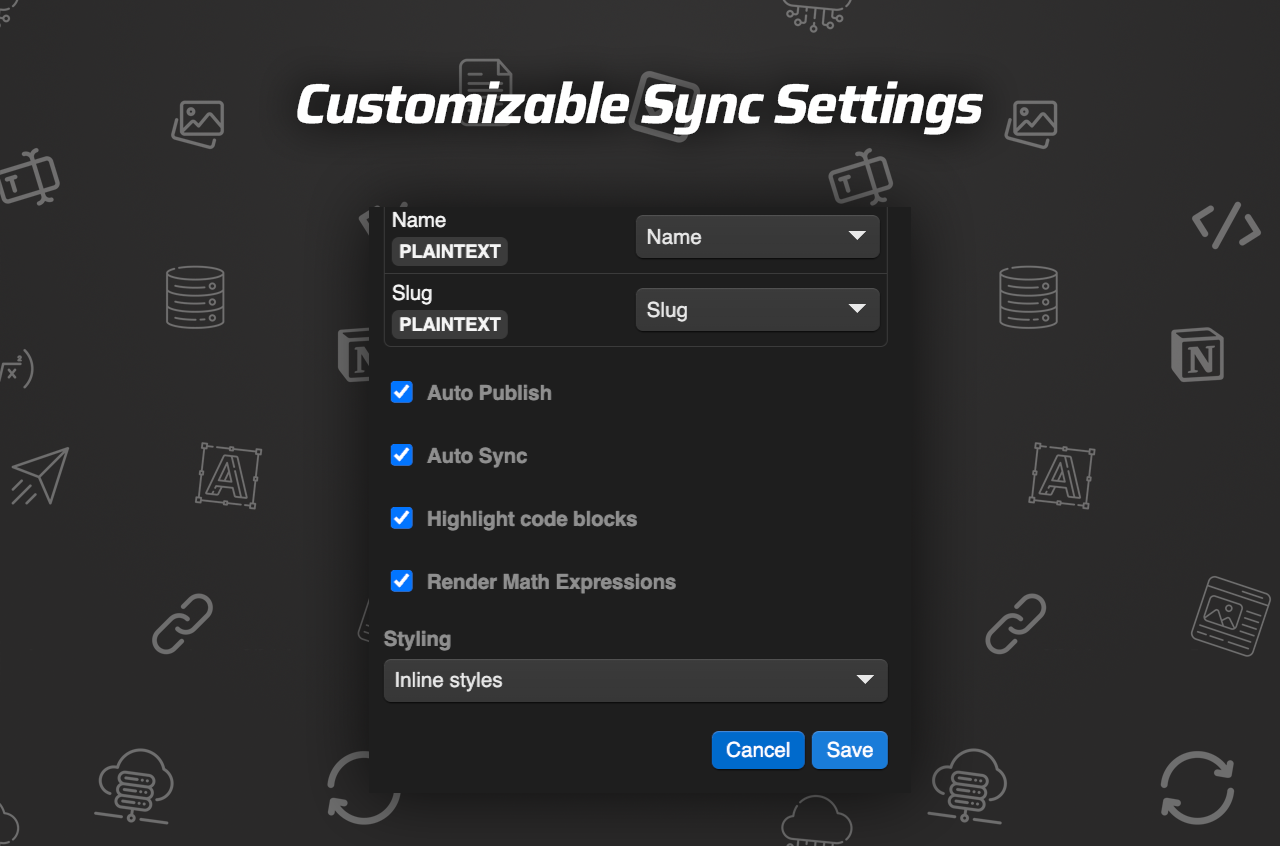
Map fields from your Notion database to your Webflow CMS Collection. Configure options such as ‘Auto-Publish’ and 'Auto-Sync' to tailor the experience to your needs. You can also choose between inline styles or class-based styling for enhanced customization.
Step 4: Start Syncing
Initiate the sync process with a single click. SyncFlow automatically updates your Webflow site whenever changes are made in Notion, ensuring that your content is always up-to-date.
For a comprehensive walkthrough, watch the How to sync Notion with Webflow — Full Tutorial for step-by-step guidance.
Features That Make SyncFlow Stand Out
SyncFlow is more than just a syncing tool. It packs powerful features that make the integration between Notion and Webflow seamless:
- Auto-Sync: Automatically syncs any changes from Notion to Webflow.
- Versatile Field Types: Supports diverse content such as text, images, checkboxes, and more.
- Page Linking: Automatically converts Notion links into web-friendly links.
- Code Highlighting & TeX Support: Supports technical content by importing code snippets and complex mathematical expressions flawlessly.

Maximizing Your SyncFlow Experience
To truly harness the power of SyncFlow, consider exploring some strategic tips:
- Regular Sync Checks: Occasionally verify the sync status to ensure all updates are correctly reflected in Webflow.
- Leverage Auto-Publish: Keep your readers in the loop by ensuring that every change in Notion reflects in real-time on Webflow.
- Use the Demo Feature: Try out changed settings with the demo posts available to fully understand effects before applying them to your live site.
Conclusion
Integrating Notion with Webflow using SyncFlow transforms the way creators manage and publish content. By automating data transfer between these two powerful platforms, SyncFlow reduces complexity, allowing you to focus on crafting engaging content and stunning digital designs. Ready to revolutionize your workflow? Visit SyncFlow to get started and elevate your publication process effortlessly.
For more insights and a sneak peek into the SyncFlow ecosystem, watch the SyncFlow — Notion-Webflow Sync (Trailer video).
Comments
Post a Comment